Understanding osteopathy
Here, I share a few pointers to better understand osteopathy, prepare for your session and take care of yourself in everyday life. You’ll find a definition of osteopathy and its key principles first, then my articles.
By Nicolas Acquié, osteopath D.O.
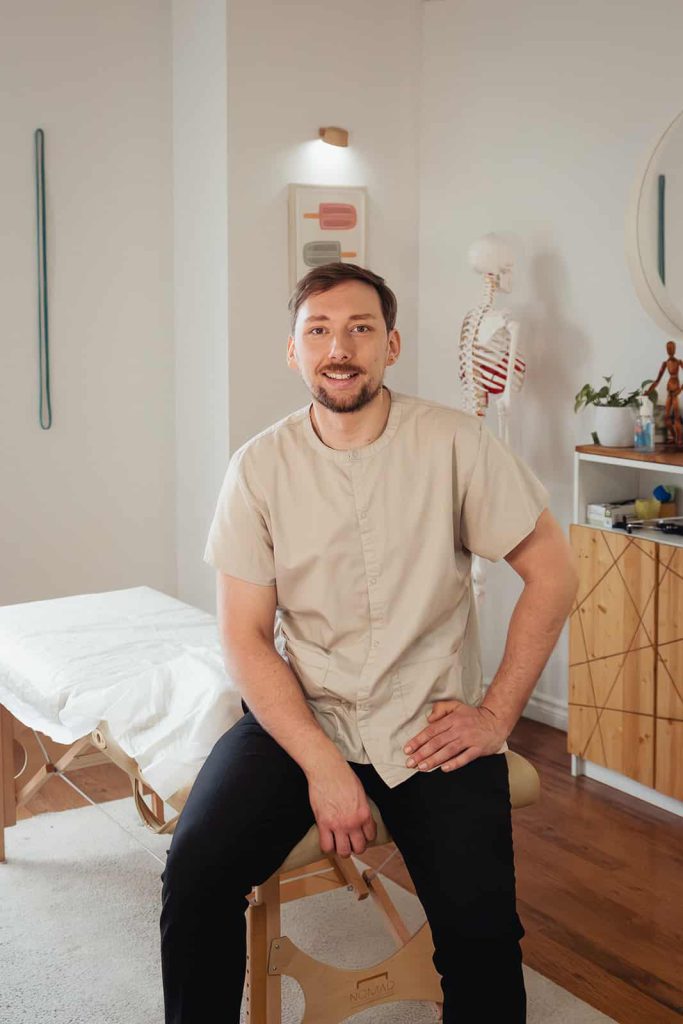
What is osteopathy?
Osteopathy is a hands-on approach that looks at the person as a whole and is concerned with the mobility of the body’s structures, such as the joints. An osteopath is a practitioner of osteopathy. Manual contact and palpation (examination by touch) play a central role in their work, according to the Office des professions du Québec (in French).
Osteopathy was born in the United States. It was there, in 1874, that Andrew Taylor Still began to practise what would become osteopathy. In 1892, he opened the first school, the American School of Osteopathy, in Kirksville, Missouri. From his ideas, the osteopathic tradition drew key principles, which I sum up like this:
- The body forms a whole. For example, if you come to see an osteopath for a knee that bothers you, the osteopath won’t limit themselves to examining the knee. They’ll test your whole “organism.”
- The body has its own ability to adapt (self-regulation). The osteopath doesn’t do the work for it: they try to give it options for movement again.
- The body’s structure and the way it works are linked. A phrase attributed to Still sums it up: “structure governs function.”
In the United States, osteopathy has become a way of practising medicine: it’s called “osteopathic medicine” there, and it’s practised by doctors. In Québec, osteopathy is a hands-on approach, and an osteopath is not a doctor. I work to complement medical follow-up, never to replace it.
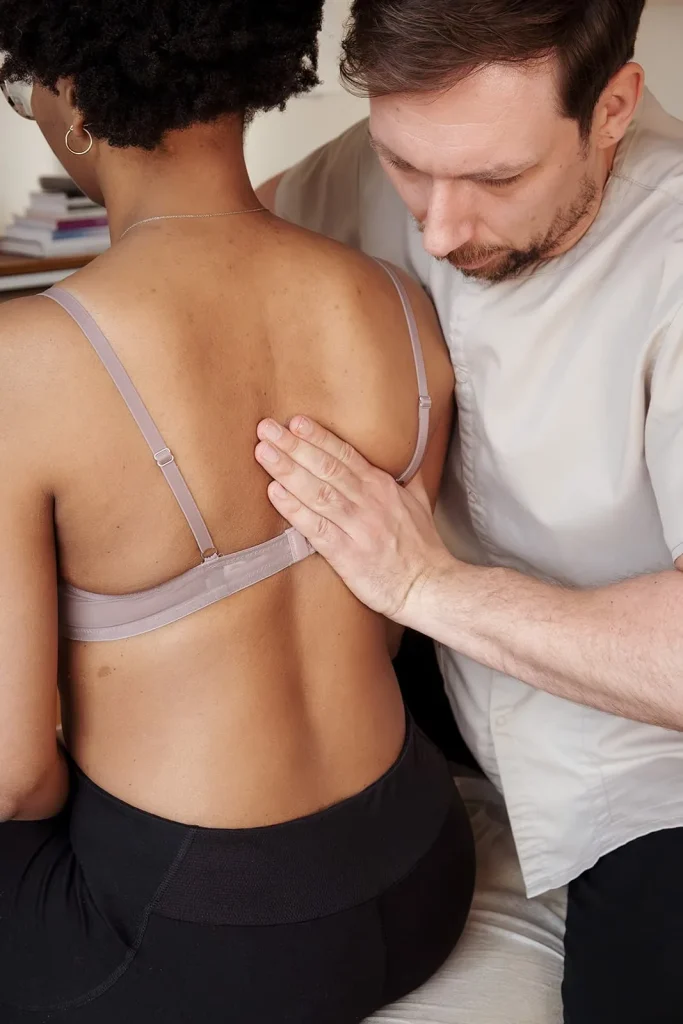
Back pain
Is your back bothering you day to day?
Read the article
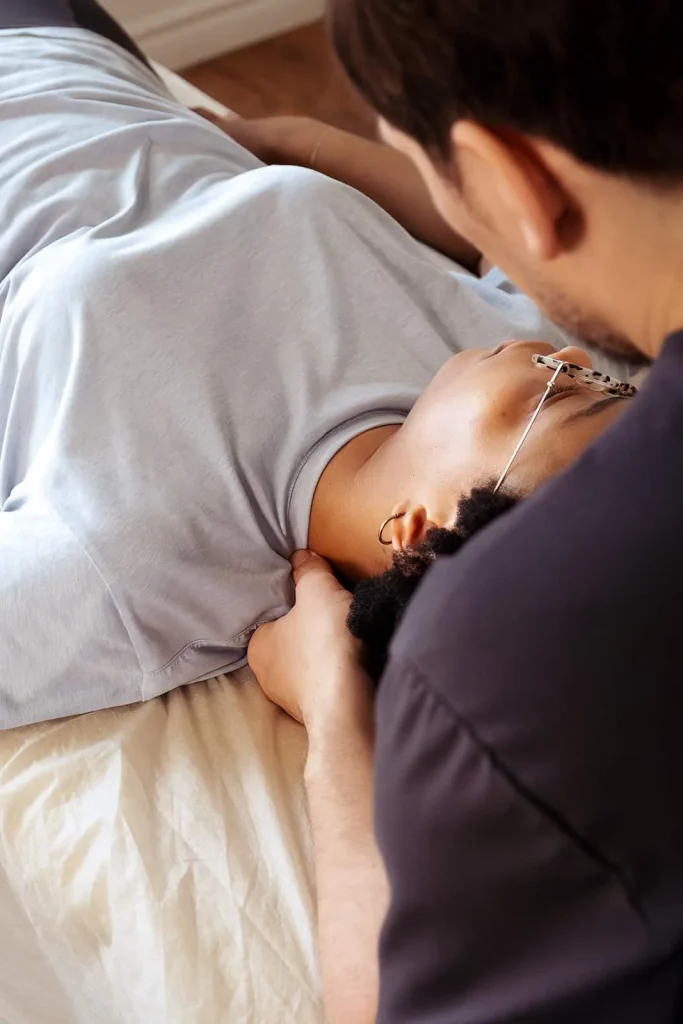
Osteopathy & sleep
Is discomfort disturbing your nights?
Read the article
How to find a good osteopath
How can you be sure you’re seeing the osteopath who’s right for you?
Read the article
First appointment
A first session at the practice?
Read the article
If you’d like to see me
When the time is right for you, book online on GOrendezvous, or by text at 514-663-3826.